





Fire hoses from Jakob Eschbach

Fire hoses from Jakob Eschbach stand for the highest quality, reliability and safety in operation. Specially developed to withstand the extreme conditions of firefighting, these hoses offer outstanding performance and durability that firefighters worldwide rely on.
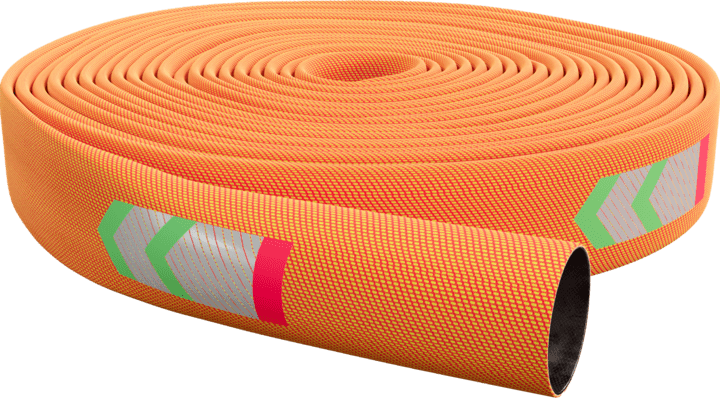
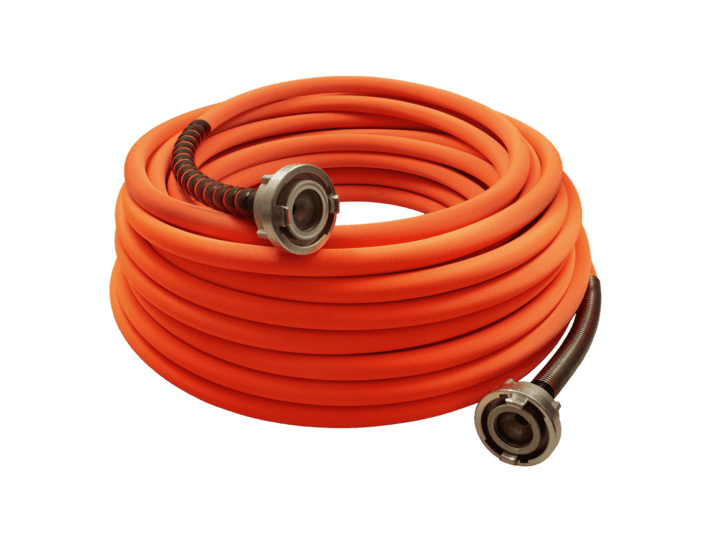
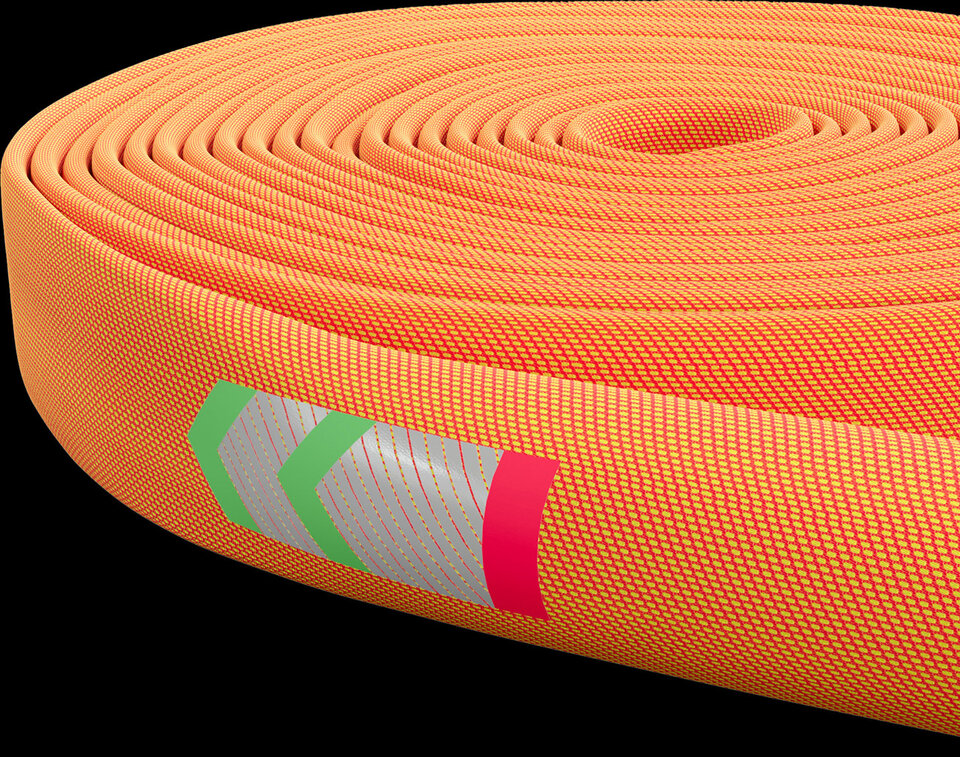
Buffalo Safety – Indoor attack hose with integrated safety reserve, phosphorescent and reflective direction arrows, increased visibility in smoke, orange/yellow, C42, red/green collars to prevent mix-ups, for hose bundle use

Buffalo Safety – Indoor attack hose with integrated safety reserve, phosphorescent and reflective direction arrows, increased visibility in smoke, orange/yellow, C42, red/green collars to prevent mix-ups, for hose bundle use

Fire hoses that save lives

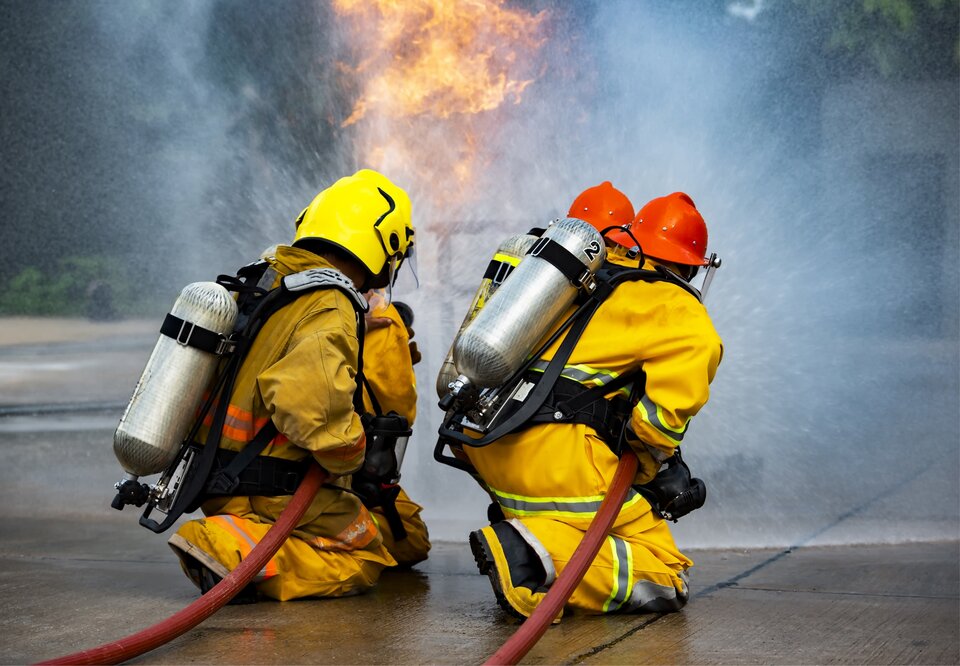
In the world of firefighting, Eschbach fire hoses are not merely tools, but the indispensable lifelines that form the heart of every successful firefighting operation. However, their significance extends far beyond their function as water conduits. Eschbach fire hoses embody the reliability that firefighters can depend on in the most dangerous situations. They are the result of decades of research, development and innovation to meet the highest standards in safety, performance and durability. By utilising state-of-the-art materials and manufacturing techniques, they meet the extreme conditions and demands of the fire service. Eschbach fire hoses are not merely tools of the present, but also investments in the future. Through continuous research and development, Eschbach strives to further improve the performance of its hoses and meet the ever-changing demands of the fire service. As a result, firefighters worldwide can trust that they are equipped with Eschbach fire hoses to master any challenge and save lives.

Fire hoses – areas of application:

Our fire hoses:

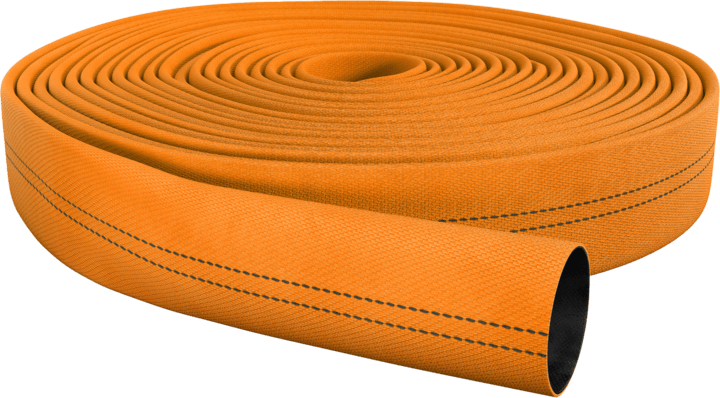
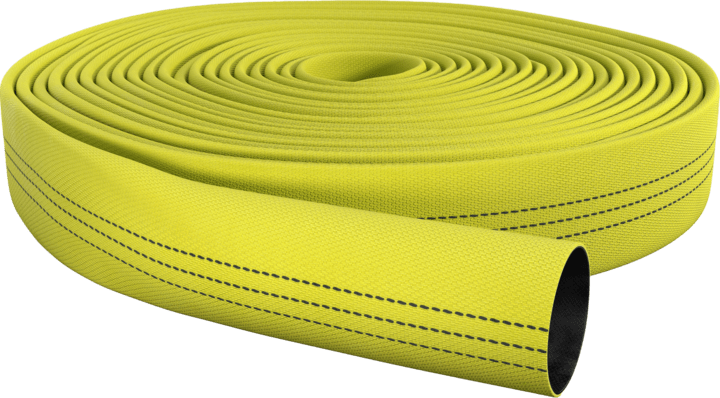
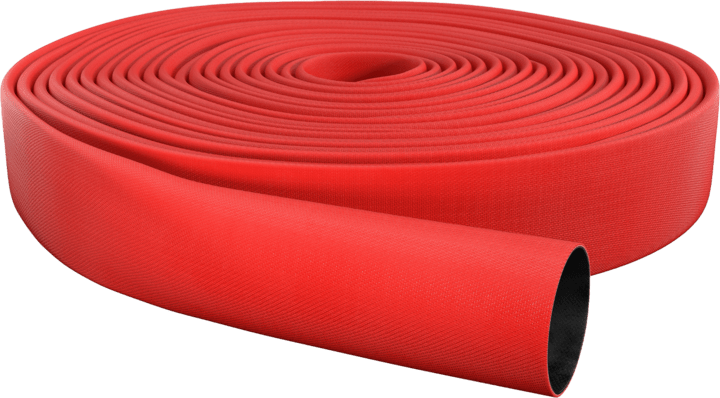
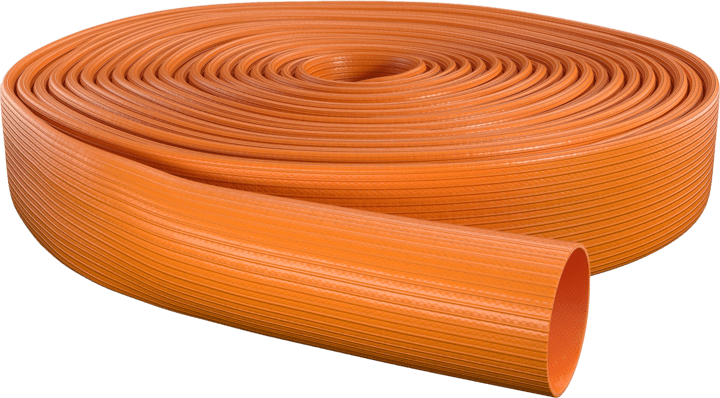
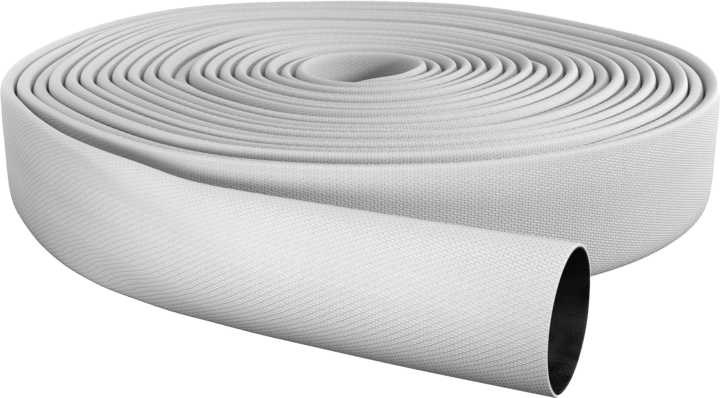
Fire service operations, firefighting, hose with rubber lining inside and out, fire hose, reliable firefighting, durable hose, robust and resilient, high safety, fire extinguishing, use in emergencies, extremely high load-bearing capacity

Fire service operations, firefighting, hose with rubber lining inside and out, fire hose, reliable firefighting, durable hose, robust and resilient, high safety, fire extinguishing, use in emergencies, extremely high load-bearing capacity

Eschbach fire hoses: The best choice

Eschbach fire hoses are renowned worldwide for their quality, innovation and reliability. We understand the challenges firefighters face every day and are committed to providing them with the very best equipment. With an Eschbach hose, you’ll be ready for any challenge. You can rely on our experience and our commitment to your safety.

Fire hose portfolio explained:

Fire hose FAQs:

How do fire hoses achieve maximum service life and operational readiness?

Fire hoses offer a long service life under normal operating conditions, which depends on care, storage and frequency of use. Their durability is supported by regular maintenance and inspections, which help to identify and rectify potential damage at an early stage.

To ensure maximum service life, fire hoses should be properly cleaned, dried and protected from harmful environmental influences such as UV radiation, extreme temperatures or chemical exposure.

Frequent use, improper storage or harsh operating conditions can shorten their service life. Careful handling and regular checks are crucial to ensuring the reliability and operational readiness of fire hoses.

How do you choose the right fire hose for maximum safety and operational readiness?

Several criteria play a decisive role when selecting a fire hose. Firstly, the hose must meet the specific requirements of the operation – whether for indoor attacks, rapid attacks or use in forest and vegetation fires.

Pressure resistance is essential to ensure the hose can withstand high operating pressures. Abrasion resistance and chemical resistance protect the hose from damage, particularly in demanding environments.

Furthermore, the hose should be flexible enough to remain easy to handle in confined spaces and under difficult conditions. Compatibility with existing couplings and fittings is also crucial to ensure seamless integration into the existing system.

Finally, heat resistance and flame retardancy are particularly important during firefighting operations where extreme temperatures may occur. A carefully selected fire hose that meets all these criteria makes a decisive contribution to safety and effectiveness in the field.

How resistant are Eschbach fire hoses to extreme temperatures?

Eschbach fire hoses are fundamentally designed for use under extreme temperature conditions. They are made from materials that can withstand both high and low temperatures without losing their flexibility or strength. At high temperatures, such as those encountered in fires, the hose retains its shape and remains flame-resistant. In extremely cold conditions, it remains flexible and break-resistant, enabling reliable firefighting in all climatic zones.

However, actual resistance depends on the specific product and the particular operating conditions. It is always advisable to check the technical data and specifications carefully in order to assess optimal performance under various temperature conditions.

With Eschbach fire hoses, emergency services benefit from robust, durable and temperature-resistant hoses that offer maximum safety and effectiveness in the field.

What are the differences between Eschbach fire hoses?

The various types of Eschbach fire hoses differ primarily in their material composition, which is tailored to the respective area of application.

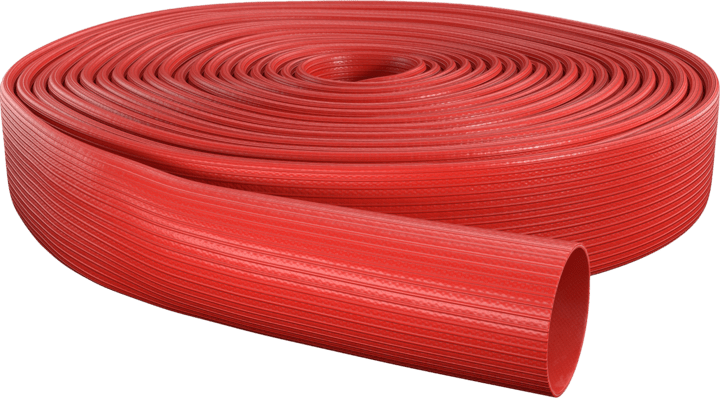
  • Rapid intervention hoses: Particularly lightweight and flexible for rapid deployment.
  • Water supply hoses: Larger diameters and high pressure resistance for long distances.
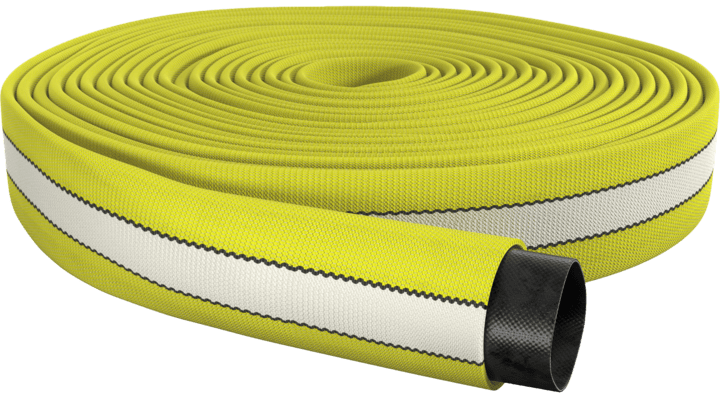
  • Indoor attack hoses: Flame-retardant and marked for safe handling inside buildings.
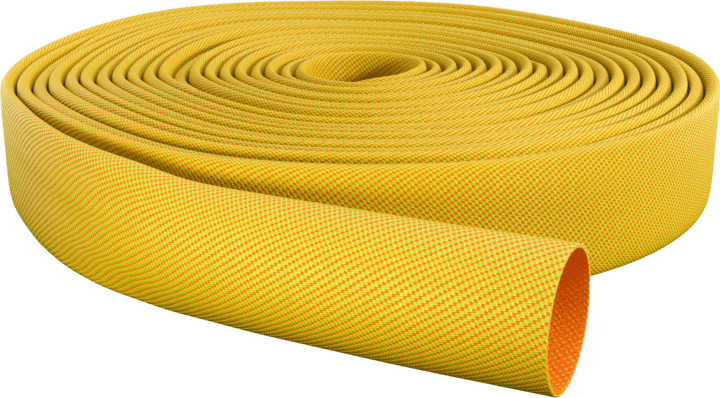
  • Forest fire and vegetation fire hoses: Abrasion-resistant, lightweight and robust for rough terrain.

By choosing the right Eschbach fire hose, emergency services can ensure they can work efficiently, safely and reliably – regardless of operational conditions or terrain.

Which standards and quality specifications do Eschbach fire hoses meet?

Eschbach fire hoses meet a wide range of international standards and specifications that guarantee their quality and safety. These include, amongst others, DIN standards for Germany, EN standards for Europe and ISO standards for international use.

These certifications ensure that the hoses meet strict requirements regarding pressure resistance, abrasion resistance, heat resistance and chemical resistance. In addition, the hoses undergo regular quality controls to ensure consistently high product quality.

With Eschbach fire hoses, emergency services benefit from certified, reliable and durable quality that guarantees maximum safety in the field.

How does the length of a fire hose affect performance and pressure stability?

The length of a fire hose has a direct impact on its performance during operations. Whilst longer hoses offer a greater reach, they result in a noticeable loss of pressure as the water has to be pumped over a longer distance.

It is crucial to select the correct hose length for the specific operation to ensure optimal water delivery and an effective firefighting operation. In many situations, it may be advisable to combine several shorter fire hoses to ensure both flexibility and stable water delivery.

With the correct selection and handling of Eschbach fire hoses, emergency services benefit from reliable performance, high safety standards and maximum efficiency in the field.

How quickly can Eschbach fire hoses be made ready for use?

Eschbach fire hoses are designed for rapid deployment. Their flexible and lightweight construction allows for quick deployment and easy handling, even under stressful operational conditions. The design of the couplings and the smooth inner coating ensure that the hose can be quickly connected to the water source and pressurised. This saves valuable time during operations, which can be crucial in emergency situations to bring fires under control quickly and minimise damage.

What role does the inner lining of a fire hose play?

The inner lining of a fire hose fulfils several important functions that significantly influence the hose’s overall performance and durability.

  • Reducing friction loss: A smooth inner lining minimises the resistance encountered by the water as it flows through the hose. This increases the efficiency of the water flow, ensuring that more water reaches the nozzle at a higher pressure. This is particularly crucial in emergency situations, as rapid and efficient water delivery is essential for effectively fighting fires.

  • Protection against chemical and mechanical influences: The inner coating protects the hose material from harmful chemicals that may be encountered during use, such as oils, fuels or aggressive extinguishing agents. Without this protective layer, the hose could be corroded and damaged by such substances over time. Furthermore, the coating prevents mechanical wear on the inside of the hose, which extends the hose’s service life.

  • Maintaining flexibility: High-quality inner coatings help ensure that the hose remains flexible, even at extreme temperatures or under high pressure. This is particularly important, as a stiff or brittle hose makes handling difficult and increases the risk of tears or breaks during use.

  • Prevention of water contamination: In specific applications, such as drinking water supply, the inner coating is also crucial for maintaining the quality of the water flowing through it. It prevents the release of material particles and ensures that no harmful substances enter the water.

Overall, the inner lining of a fire hose is crucial to the hose’s functionality, reliability and durability, particularly under the demanding conditions encountered during firefighting.

Contact us now

We are always available to answer your questions and help you choose the best fire hoses. Our experienced team will be happy to advise you on our products and tailor-made solutions to meet your requirements.

Are Eschbach fire hoses resistant to chemicals?

Yes, many Eschbach hoses are chemical-resistant and suitable for use in environments where they may be exposed to aggressive substances. In addition, Eschbach hoses offer resistance to oils, petrol and abrasive solids.

How should fire hoses be stored correctly?

Storing fire hoses correctly is crucial for their longevity and operational readiness.

  • Cleaning and drying: After each use, the hoses should be thoroughly cleaned and completely dried to prevent mould growth and damage to the material.

  • Storage in the dark: Hoses should be stored in a cool, dry place protected from direct sunlight to prevent UV damage.

  • Store rolled or folded: Hoses should be stored either rolled up or on special hose racks to prevent kinks that could weaken the material.

  • Regular inspection: Check the hoses regularly for damage or signs of wear and tear, and repair or replace defective hoses immediately.

  • Temperature control: Store the hoses at moderate temperatures to avoid extreme heat or cold, which could make the material brittle or soft.

How are fire hoses made ready for use quickly in an emergency?

Fire hoses must be ready for use quickly in an emergency to enable effective firefighting. This is achieved by storing them on special hose reels, in a carrying basket or as a hose bundle, which allows for rapid deployment and connection to the water source. Pre-connected hoses, which are already fitted with the necessary fittings, reduce the time taken to deploy them. In addition, regular training ensures that firefighters are proficient in the necessary procedures. These measures save valuable time and maximise efficiency during operations.

What environmental factors can affect the service life of a fire hose?

The service life of a fire hose can be significantly affected by various environmental factors. One of the greatest risks is long-term exposure to UV radiation, which can weaken the material over time and cause cracks. Extreme temperatures also have a negative effect by impairing the hose’s flexibility. Heat can soften the material, whilst extreme cold makes the hose brittle and increases the risk of breakage. Chemicals to which the hose may be exposed during use can attack the outer protective layer, thereby weakening the hose’s integrity. Abrasive surfaces and mechanical stress lead to additional wear, particularly if the hose is regularly dragged over rough terrain. Finally, moisture remaining inside the hose can promote mould growth and material degradation, particularly if the hose is not allowed to dry completely. All these factors contribute to shortening the hose’s service life, which is why it is important to take them into account during maintenance and storage.